What Is Organic Fabric? A Clear Guide to Healthier, More Sustainable Textiles
The fabric we live in is rarely questioned.
It wraps our children, rests against our skin, holds the warmth of our beds, and follows us quietly through ordinary days.
And yet—so much of it carries a hidden story.
If you’ve ever felt a quiet nudge to look closer at what your clothes, sheets, or handmade projects are made of, you’re not alone. Organic fabric isn’t a trend or a buzzword—it’s a return. A return to cleaner fields, safer hands, and textiles made with intention.
Let’s slow down and unravel what organic fabric truly means, and why it matters.
What does “organic fabric” actually mean?
Organic fabric begins long before a bolt of cloth reaches a cutting table. It starts in the soil.
At its core, organic fabric is made from fibers grown without synthetic pesticides, chemical fertilizers, or genetically modified seeds. These fibers—most commonly organic cotton, linen (flax), hemp, and wool—are cultivated using farming practices that work with nature rather than against it.
Organic agriculture emphasizes:
- Healthy, living soil
- Biodiversity instead of monocrops
- Responsible water use
- Natural pest management
- Protection for farm workers and surrounding communities
This means fewer toxins in the land, in waterways, and ultimately—against your skin.
Organic fabric vs. conventional fabric: what’s the real difference?
1. How the fibers are grown
Conventional fabrics often rely on crops treated heavily with synthetic pesticides and fertilizers. Conventional cotton, for example, is one of the most chemically intensive crops in the world.
Organic fabrics, on the other hand, are grown using natural methods like crop rotation, composting, and beneficial insects—methods that restore soil health instead of depleting it.
The result is a fiber that comes from land cared for over time, not pushed to exhaustion.
2. Chemical use (or the lack of it)
Conventional farming depends on chemical inputs to control pests and maximize yield. These chemicals don’t simply disappear—they can linger in soil, water, and finished textiles.
Organic farming prohibits synthetic pesticides and fertilizers, significantly reducing chemical residues throughout the entire textile lifecycle.
For many people—especially babies, children, and those with sensitive skin—this difference is deeply felt.
3. Genetically modified organisms (GMOs)
Most conventional cotton is genetically modified to tolerate herbicides or resist pests.
Organic standards do not allow GMOs. Organic fibers are grown from non-genetically modified seeds, preserving natural genetic diversity and reducing long-term ecological risk.
It’s a quieter, slower approach—one that favors resilience over speed.
4. Environmental impact
Conventional textile production contributes to:
- Water pollution
- Soil erosion
- Habitat loss
- Increased greenhouse gas emissions
Organic fabric production works to reduce these impacts by supporting soil regeneration, water conservation, and biodiversity.
Organic farming doesn’t just take less—it gives something back.
The characteristics that set organic fabric apart:
🌿 Healthier for your home and body
Organic fabrics are typically processed with fewer harsh chemicals, making them gentler on skin and safer for everyday use.
🌿 Kinder to the earth
From seed to soil to finished textile, organic fabric supports systems that protect land and water for future generations.
🌿 Socially responsible
Organic farming places value on people—not just profit—by supporting safer working conditions and fairer labor practices.
🌿 Beautifully durable
Organic fibers are often longer, stronger, and more resilient. Many sewists notice that organic cotton and linen age gracefully, softening with time rather than breaking down.
Quality that lasts is, in itself, a sustainable choiceWhy this matters—especially if you sew
When you choose organic fabric, you’re not just selecting a material.
You’re choosing:
- Thoughtful craftsmanship over disposability
- Fewer toxins in your home
- A slower, more intentional way of making
At Organic Fabric Company, this belief is woven into everything we do—offering fabrics that support both your creative work and the values you hold close.
If this conversation has sparked something in you—curiosity, conviction, or simply a desire to make more mindful choices—I’d love to invite you deeper.
✨ Download my Ultimate Guide to Sustainable Sewing ✨
It’s a practical, encouraging resource designed to help you choose better fabrics, sew with intention, and build a wardrobe (or home) that truly aligns with your values.
The things we make by hand deserve materials chosen with care.
And so do you.
Happy Sewing,
Gaby
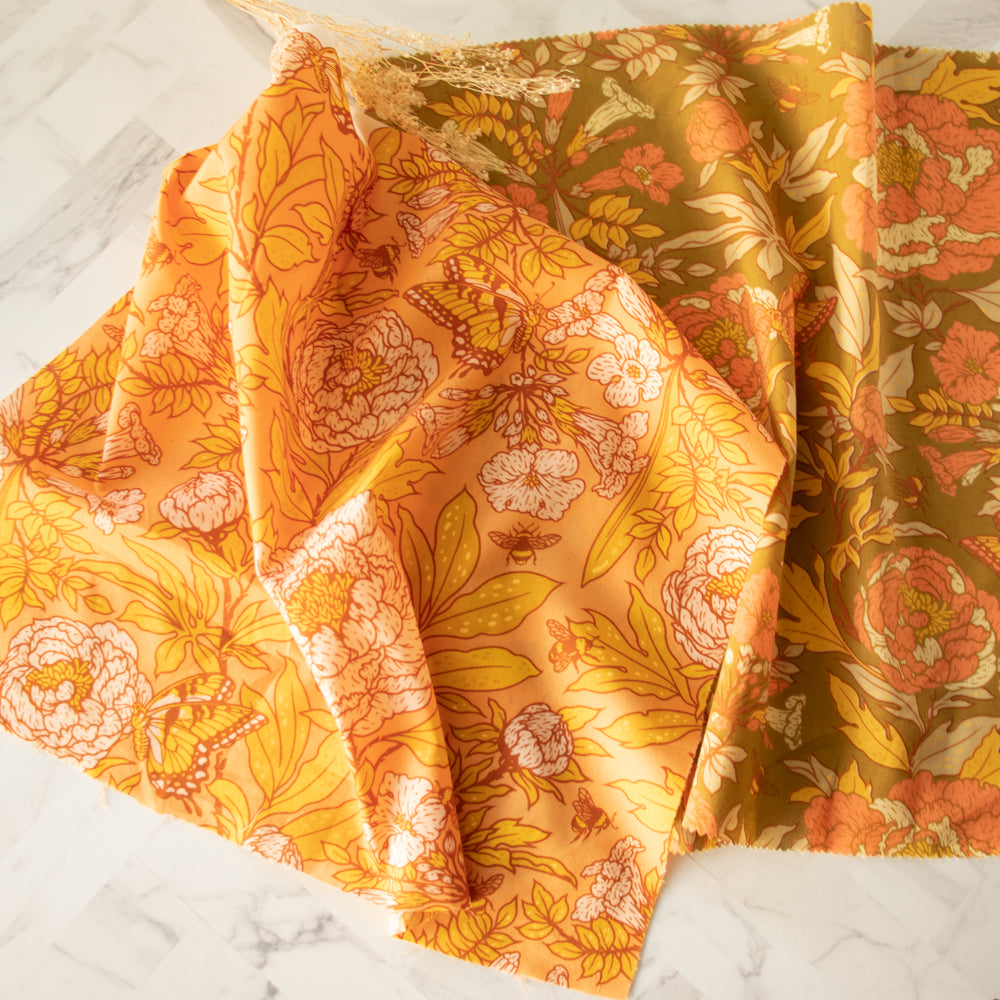
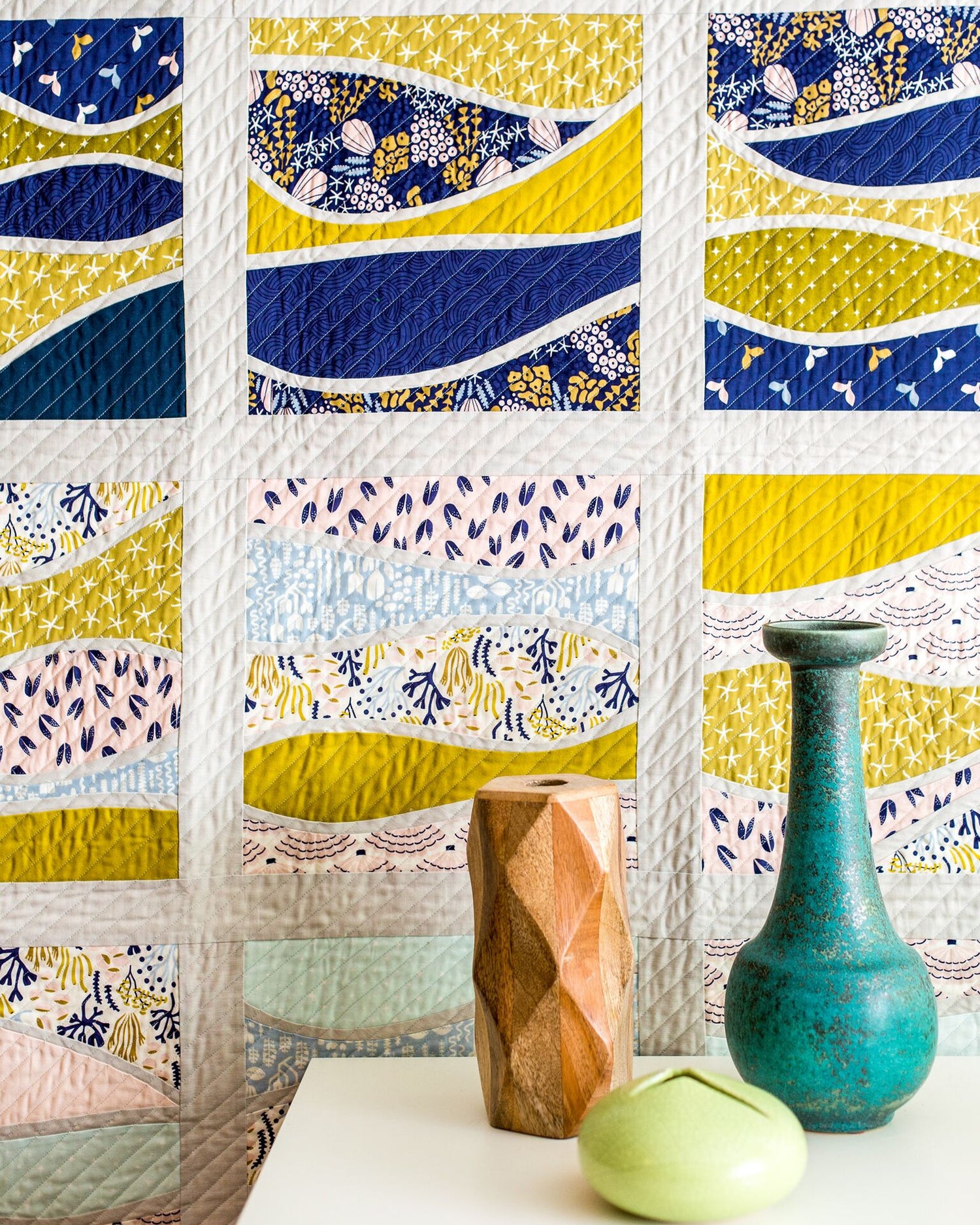
The featured photo shows our beautiful new Artisan Cotton line!